Reader guide
Amish Romance Books: How to Choose a Series
A reader guide to choosing Amish romance books by emotional tone, author, series order, and reading commitment.
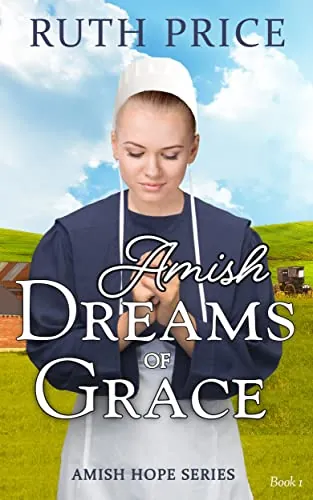
Amish romance books can offer a peaceful change of pace, but the best way to choose one is not to rely on the setting alone. A close-knit community, a familiar countryside, and a hopeful love story can sit beside very different kinds of pressure: grief, family history, a new beginning, a secret, or the question of whether someone is ready to trust again. The right book is the one that matches the kind of emotional room you want to step into.
Reader lists show just how wide the category can be. The King County Library System's Amish romance list, for example, includes courtship, hometown reunions, and matchmaker stories. Harlequin also treats Amish romance as part of its inspirational-romance guide. Those labels are useful starting points. The premise, series order, and author shelf tell you more about the exact reading experience ahead.
This guide helps you choose Amish romance books by mood, story scale, and commitment, then points to honest starting places in the Global Grafx catalogue.
Choose the feeling before you choose the title
Start with one practical question: what do you want the next book to leave you with? Some readers want a gentle story of belonging. Others want the ache of a second chance, a family conflict that needs patience, or a little more uncertainty around a relationship. Naming that preference first makes a large catalogue much easier to browse.
- Warmth and belonging: Look for friendship, faith, family, community, and a new connection taking root.
- Healing and hope: A widowed character, a return home, or a changed plan can make room for a quieter emotional journey.
- Family pressure: Choose stories where loyalty, a long-held secret, or a difficult history adds weight around the romance.
- A longer stay: Pick a connected series or complete collection when you want the next book ready after the first ending.
These are not rigid boxes. A book can carry more than one feeling. They are simply a useful way to move from a broad search toward a story that fits your evening. A title that promises a fresh start will usually read differently from one where a community secret or a mystery changes the stakes.
Let the premise tell you the kind of comfort on offer
The premise is more helpful than a label. Before buying, read the blurb for what puts the characters in the same path and what could keep them apart. A new home, a family duty, a second chance, or an unexpected responsibility each gives the love story a different texture.
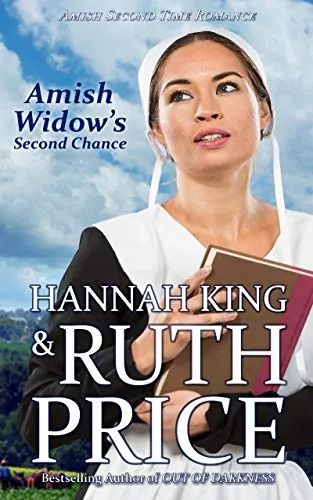
Amish Dreams of Grace is a useful start when you want a tender story shaped by grace, belonging, and a hopeful new chapter. Readers who prefer a clearer second-chance feeling can begin with Amish Widow's Second Chance, where a widow has to decide whether love can arrive at an unexpected time. Neither is a substitute for the other. One asks for a softer entry, while the other leans into the work of opening a guarded heart.
Start with Book 1 when you want a clear way in
A first-in-series title gives you the simplest entrance to a new author, community, or family. You meet the setting as the characters do, learn what matters in their world, and can decide after one book whether you want to stay. It is an especially good choice when you are curious about a series but do not want to commit to several books before you know the tone fits.
Lancaster County Second Chances begins with a widower and a path toward healing, while A Lancaster Amish Home for Jacob opens a longer Lancaster County story path. Readers who want a romance with a little more family pressure can explore Lancaster County Amish Grace. Each is a truthful Book 1 route, so the reader can choose by premise rather than trying to guess where a larger series begins.
Book order does not matter equally in every fiction series, but it is worth checking. The first book usually introduces relationships, expectations, and community details that later stories build on. When you want the clearest welcome, a Book 1 label is a useful promise.
Choose a collection when you want the next read waiting
A complete collection solves a different problem. Instead of deciding again after one ending, you can stay with an author or story world while the mood is still working for you. That is especially satisfying when the pleasure comes from returning to familiar kinds of emotional stakes: family, forgiveness, faith, and a community where one relationship can echo into another story.
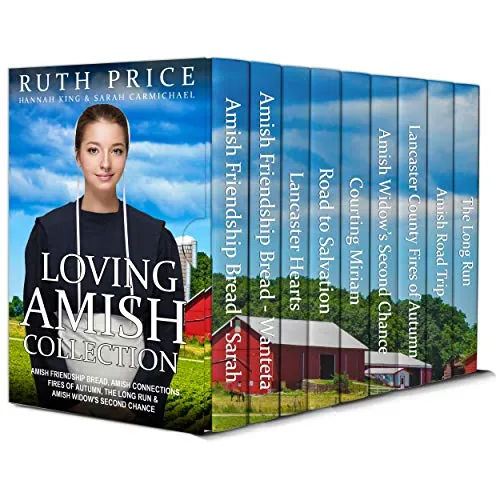
The Loving Amish 9-Book Collection is a natural option for readers who already know they want a longer run of faith-led romance. If you prefer to follow a connected second-chance thread, the Lancaster County Second Chances 6-Book Collection keeps that reading path together. A collection is not automatically a better starting point. It works best when you want continuity more than the surprise of jumping to a new author after each book.
Choose an author shelf, not just one cover
Once a book works for you, an author shelf can be the most useful next stop. It lets you compare titles with the same overall voice, setting, or emotional territory without beginning the search from scratch. That is a better way to build a personal reading trail than chasing a broad label every time.
Ruth Price's shelf is a strong place to browse individual romances, Book 1 entries, and substantial collections. Rachel Stoltzfus gives readers a longer Lancaster County route when familiar people and places are part of the appeal. Rebecca Price is a fit when family secrets, loyalty, and community pressure sound like the kind of tension you want around the romance.
Think of a shelf as a reading map. The cover may catch your attention, but the book description, series label, and neighbouring titles help you choose where to go next. That means one satisfying read can become a route to another, while still leaving you in control of the emotional temperature and commitment.
Sampling one clear opening is often more useful than trying to compare every title at once. After you finish, notice what stayed with you: the family dynamics, the pace, the level of conflict, the setting, or the sense of hope. That small bit of reader knowledge gives your next choice a much stronger starting point than a broad category search.
Decide how much suspense belongs in the story
Amish fiction can make room for more than a courtship. Some books keep the relationship at the centre with family, faith, and a fresh start around it. Others add a mystery thread, an unsettled history, or a missing-person question that changes the atmosphere. There is no right level of tension. The useful choice is the one that fits your mood.
If you want the romance to lead, stay with a premise that foregrounds a new connection, forgiveness, or a shared future. If you enjoy a stronger sense of uncertainty, the Amish mystery guide can help you choose how much suspense to bring into the reading experience. For a different way to narrow by emotional setup, Second Chance Romance Books explains how reunion, healing, and a fresh start change a love story's feel.
Find Amish romance books at Global Grafx
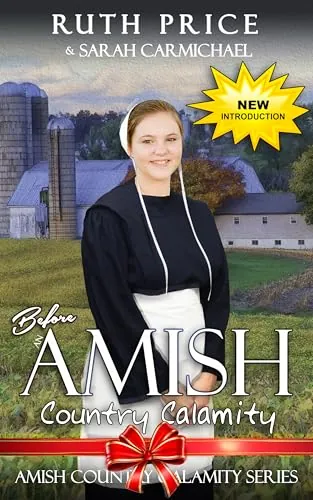
Global Grafx is useful for readers who want more than one route into Amish romance. The catalogue includes stand-alone-feeling premises, Book 1 openings, longer author shelves, and complete collections. That range lets you decide whether you want one hopeful story tonight or a familiar emotional world for several books.
For a direct view of the available books and collections, visit the Amish romance collection. Start with the book description that most closely matches your mood, then use the author shelves and series labels to keep the next choice as easy as the first.
A quick way to choose your next Amish romance
- Choose the feeling you want: gentle belonging, a fresh start, family pressure, or healing after loss.
- Read the blurb for the immediate situation that brings the characters together.
- Start with Book 1 when you want the clearest introduction to a new series.
- Choose a collection when you already know you want a longer reading stretch.
- After a good match, browse the author shelf for another story with the qualities you enjoyed.
Amish romance books are easier to choose when you treat the category as a starting point rather than the final answer. Let the mood, premise, series position, and author shelf guide you toward a story that feels like the right place to spend the next few chapters.
Frequently asked questions
What makes a good Amish romance book to start with?
Start with the emotional experience you want, then choose a Book 1 or a self-contained premise. A first-in-series book makes it easy to enter a new community, while a single story is useful when you want to try an author or mood before settling into a longer run.
Do I need to read Amish romance books in order?
When a title is marked Book 1, reading it first is the clearest way to meet a series world and avoid missing earlier relationships or community history. A complete collection is often a comfortable choice when you already know you want more than one story.
Are Amish romance books always gentle reads?
Many readers look for faith, community, forgiveness, and hopeful relationship stakes, but the pressure around the romance can still vary. Read the book description for family tension, a fresh start, a mystery thread, or a harder personal choice before deciding what feels right.
Where can I find Amish romance books from Global Grafx?
The Amish romance collection brings together individual books and complete sets from Ruth Price, Rachel Stoltzfus, and Rebecca Price. Each book page includes its own description, so readers can choose the exact story or collection that fits their mood.
Related posts
Reader guide
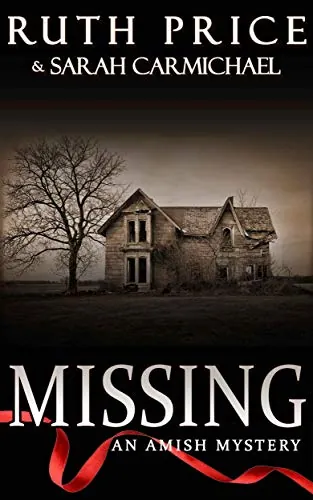
Amish Mystery Books: How to Choose Your Next Read
A practical reader guide to choosing Amish mystery books by level of suspense, setting, story setup, and series order.
Read the guide ↗Reader guide
Second Chance Romance Books: How to Choose
A reader guide to choosing second chance romance books by reunion, emotional intensity, setting, and series commitment.
Read the guide ↗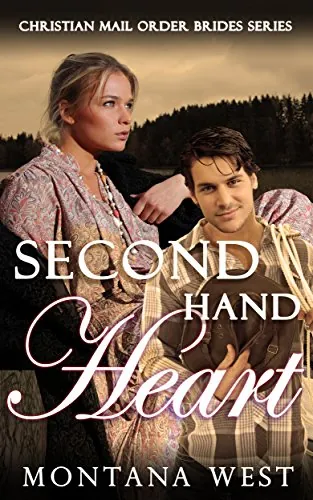
Reader guide
Romance Book Tropes: Find Your Next Read
A reader-friendly guide to romance book tropes, what they promise, and how to use them to choose your next read.
Read the guide ↗