Reader guide
Second Chance Romance Books: How to Choose
A reader guide to choosing second chance romance books by reunion, emotional intensity, setting, and series commitment.
Second chance romance books begin with a feeling that has already had time to settle in. There is history in the room: an old love, a family loss, a missed opportunity, a move that changed everything, or a heart that decided it was safer to stay closed. The question is not only whether two people will fall in love. It is whether they can meet each other honestly now that life has changed them.
That emotional history is why this trope can take so many forms. A former couple might meet again after years apart. Childhood friends might discover that their connection still has unfinished business. A widowed character might learn that a new beginning does not erase the past. Major publisher reading lists show the same range, from past lovers reconnecting to marriages being rebuilt and characters finding love again after a long-held disappointment. Penguin Random House's recent reading list includes all of those shapes, while Simon & Schuster's selection moves between childhood sweethearts, former partners, and high-stakes reunions.
The label is a helpful starting point, not the whole promise. This guide will help you choose second chance romance books by the kind of history, intensity, setting, and reading commitment you want, then point you toward honest starting places in the Global Grafx catalogue.
Know what kind of second chance you want
The same trope can deliver a completely different reading experience depending on what went wrong the first time. Before choosing a title, decide which kind of emotional setup sounds right for your mood. You do not need every detail before you begin. One clear preference can turn a broad shelf into a much better match.
- Former partners: Choose this when you want shared memories, old wounds, and the tension of seeing whether both people have really changed.
- Interrupted possibility: This works when you like the ache of timing. The characters may have cared once but never had a real chance to build a life together.
- Healing after loss: Look here when you want a gentler story about grief, trust, family, and making room for hope without pretending the past did not matter.
- A new beginning: A move, new job, unexpected responsibility, or unfamiliar town creates the chance for love to arrive differently than it did before.
Reader lists often group all of these under one heading because each asks characters to revisit something unfinished. But the emotional temperature is not the same. The former lovers in a sharp, contemporary reunion may bring more friction than a widowed character cautiously considering a future. A reader-curated second chance list defines one common version as people who were together previously and reconnect later. That is useful, but it leaves room for quieter stories in which the second chance is the willingness to love at all.
Choose the amount of ache you want
Second chance romance can be tender, funny, intense, or deeply emotional. The trope alone does not tell you how difficult the road will feel. The blurb does. Look for the source of the separation or hesitation and ask how close the pressure sits to the relationship.
If you want a soft landing, look for words such as healing, family, forgiveness, grace, home, or new beginning. Those signals often suggest a romance where connection grows with patience. If you want more tension, look for secrets, betrayal, danger, a difficult past, competing obligations, or a relationship that has to be rebuilt in public. Neither choice is better. They simply offer different kinds of release.
It also helps to remember that romance has its own promise. The Romantic Novelists' Association describes romance as a love story with an uplifting ending in which the central characters have a realistic chance of staying together. That does not mean every story has the same level of darkness or every difficulty disappears. It means readers can use the genre label as one sign that the emotional journey is headed toward hope.
Let setting change the kind of reunion
Setting gives a second chance romance its texture. A close-knit community makes it harder for the past to stay private. A western town or ranch puts daily work, family responsibility, and a new home close to the love story. A city reunion may create a faster pace, while a small town can make old connections impossible to ignore.
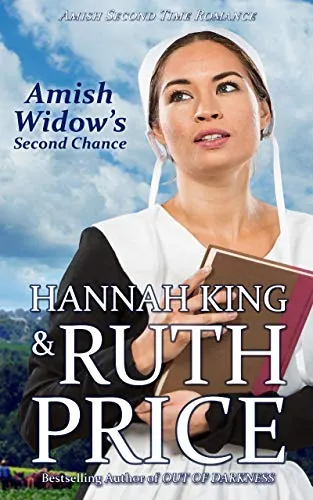
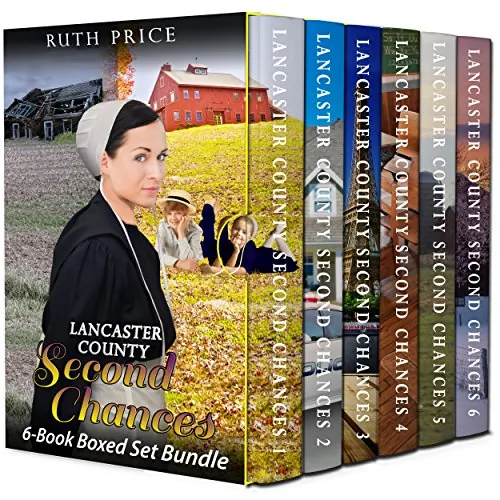
For readers who want faith, community, and the possibility of healing after loss, Amish Widow's Second Chance is a natural first look. Its premise centers on a widow discovering that love can arrive when she least expects it. If you want a longer stay in that emotional territory, Lancaster County Second Chances begins a series with a widower and a path toward healing, while the six-book collection is there for readers ready to settle in.
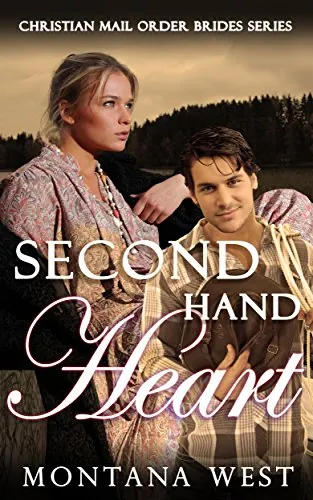
For a western setting, Second Hand Heart brings a guarded heart and a mail-order-bride premise together. That is a different kind of second chance: the emotional risk of trusting someone again while building a new life. Readers who want the journey west, ranch-country responsibility, and a choice of connected starting points can use the historical western romance guide to compare the available paths.
Use the series label to choose your commitment
A Book 1 is a useful place to start when you are testing an author, a setting, or a particular flavor of emotional intensity. It gives you the cleanest entrance to the characters' world. You can see whether the voice, pacing, and sense of community fit before deciding if you want more.
A complete collection makes a different promise. It is a good choice when you already know you want a longer reading stretch and do not want to pause after one ending to search for another match. It can be especially satisfying with second chance romance because the emotional terrain often includes families, friends, and communities that continue to matter after the first couple reaches their turning point.
Global Grafx offers both approaches. Readers who want one clear opening can begin with Book 1 of Lancaster County Second Chances. Readers who already know they want a broader run of family, forgiveness, and new beginnings can move to the complete collection. For western romance, Mail Order Wife begins the Christian Mail Order Brides series, while the three-book collection keeps the connected stories together.
Read the blurb for the real pressure point
Once you have narrowed the feeling and setting, read the description closely. Look for what the characters have to face together now, not only what happened before page one. Is the main barrier grief, a secret, family duty, a lost trust, a threat, or the difficulty of beginning again in a new place? That detail will tell you more about the book than the trope label alone.
Pay attention to scale, too. A story about an old heartbreak might be intimate and reflective. A story with a hidden past, a false accusation, or a dangerous outside pressure may bring more suspense around the romance. If you want a guide for choosing the right level of higher-stakes relationship drama, What Are Mafia Romance Books? offers a useful contrast. If you would rather add an atmospheric mystery thread to the emotional story, Amish Mystery Books can help you decide what level of suspense feels right.
There is no need to chase a perfect list of labels. A good choice comes from a few compatible signals: the emotional history you want, the setting you want to enter, the pressure you can enjoy, and the time you want to spend in that world.
Look for a past that still matters
A satisfying second chance does not require the characters to forget the first hurt. It asks them to face it with more honesty than they could before. That is the difference between a story that feels emotionally grounded and one that only uses an old relationship as a shortcut to instant chemistry. The past should explain why a reunion is difficult, but it should also leave room for the present to change the answer.
When you read a blurb, notice whether it hints at both sides of that equation. A character may be protecting a family, carrying grief, rebuilding a life, or struggling to forgive. Those details give the romance something real to work through. Just as important is the new circumstance that makes another chance possible: an unexpected arrival, a fresh start, a community that brings people together, or a choice that cannot be delayed any longer.
This is also where personal reading boundaries matter. Some readers want a past separation that feels gentle and understandable. Others enjoy a harder reconciliation, provided the book makes the repair feel earned. The description cannot answer every question, but it can tell you whether the central tension sounds like something you want to hold for a whole book. If it does, the eventual hope will usually land with more force because the story took the characters' history seriously.
For that reason, it is worth choosing by emotional promise rather than by a title alone. A phrase such as second chance can signal tenderness, regret, resilience, or a brand-new beginning. The surrounding details tell you which one is waiting inside.
Find your next second chance romance at Global Grafx
Global Grafx is a particularly useful place to explore this trope because the catalogue offers more than one honest route into it. Ruth Price's Amish romances make room for faith, family, community, forgiveness, and renewed hope. Montana West's books bring a western setting, mail-order-bride premises, ranch life, and guarded hearts into the equation. That lets readers choose the kind of second chance that fits their day instead of forcing every story into the same shape.
Start with Ruth Price's author shelf for gentle, community-centered stories and longer collections. Start with Montana West's shelf for historical western romance and new-life stakes. If you want to begin with the broader idea of matching a story setup to your mood, return to Romance Book Tropes: Find Your Next Read.
A quick way to choose
- Decide whether you want former partners, healing after loss, an interrupted possibility, or a full fresh start.
- Choose the intensity: gentle and hopeful, emotionally heavy, or high-stakes and suspenseful.
- Pick a setting you want to spend time in, such as Amish Country or the historical American West.
- Read the blurb for the problem the characters must face now.
- Start with Book 1 when you are testing a new shelf, or choose a collection when you are ready to stay longer.
The strongest second chance romance books make the past matter without letting it take over the whole story. Choose the kind of history that interests you, then let the details of the setting, stakes, and series guide you toward the book that feels right to open now.
Frequently asked questions
What is a second chance romance?
A second chance romance brings two people back to a relationship, attraction, or possibility that once mattered to them. They may be former partners, old friends, a widowed person learning to trust again, or people whose first opportunity at love was interrupted by circumstance.
Are second chance romance books always about exes?
No. Former partners are one common version, but the trope can also be about a new chance after grief, a fresh start in a new place, or the courage to trust after a past disappointment. Read the blurb to see what kind of history the characters carry into the story.
Do second chance romances have happy endings?
A romance novel generally promises an emotionally satisfying, optimistic ending for its central relationship. The road there can be tender, difficult, funny, or full of suspense, so the description and any content guidance are still useful for choosing the mood that suits you.
Where should I start with a second chance romance at Global Grafx?
Start with Amish Widow’s Second Chance by Ruth Price for a single story about opening the heart again, Lancaster County Second Chances for a series beginning with healing after loss, or Second Hand Heart by Montana West for a western mail-order-bride romance about a guarded heart learning to trust.
Related posts
Reader guide
Romance Book Tropes: Find Your Next Read
A reader-friendly guide to romance book tropes, what they promise, and how to use them to choose your next read.
Read the guide ↗
Reader guide
What Are Mafia Romance Books? A Reader Guide
What mafia romance books are, how they differ from other romance, and how to choose a high-stakes read that fits your mood.
Read the guide ↗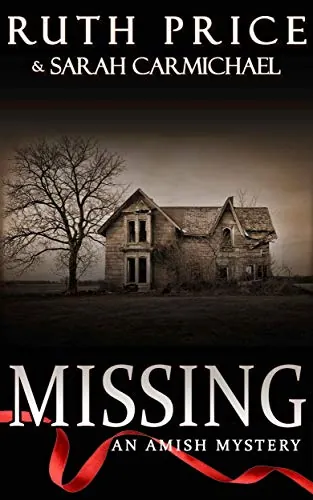
Reader guide
Amish Mystery Books: How to Choose Your Next Read
A practical reader guide to choosing Amish mystery books by level of suspense, setting, story setup, and series order.
Read the guide ↗