Reader guide
Romance Book Tropes: Find Your Next Read
A reader-friendly guide to romance book tropes, what they promise, and how to use them to choose your next read.
Romance book tropes are a useful kind of reader shorthand. They help turn a wide, crowded shelf into a more personal choice. If you know you want two people with history, a fresh start after heartbreak, or a relationship tested by a secret, you have already moved beyond the question of what to read. You are asking what kind of feeling you want a story to give you.
A trope is not a spoiler and it is not a guarantee that every book with the same label will feel alike. It is a pattern: a relationship dynamic, a situation, a character setup, or a kind of pressure that shapes the love story. A broad romance-trope guide from Reedsy groups these patterns into relationship dynamics, plot situations, pace, obstacles, and subgenres. That is a helpful starting point, but the reader's job is simpler: use the pattern to narrow the shelf, then use the description to decide whether the book feels right today.
This guide explains the most useful ways to think about romance tropes, how they work together, and how to use them to find a satisfying next read in the Global Grafx catalogue.
Start with the promise, not the label
Every good trope makes an emotional promise. Enemies to lovers promises friction that has to become trust. Second chance promises history, regret, and the possibility that the right moment did not arrive the first time. Forced proximity promises that the characters cannot keep a comfortable distance. The label gives you a first sense of the journey, not a complete plot summary.
This distinction matters because a trope can appear in very different kinds of books. Two strangers pushed together by a mail-order arrangement may create a gentle, faith-led story about building a home. The same kind of unavoidable closeness can appear in a high-stakes crime romance where safety and trust are under pressure. The setup may overlap, but the mood, pace, and stakes can be completely different.
Think of a trope as the first question to ask. Do you want sparks from a clash, the ache of a past relationship, the comfort of friends becoming more, or the uncertainty of a new beginning? Once you know that, the book description can tell you how the author brings that promise to life.
Relationship dynamics tell you where the tension lives
Some of the most searched romance book tropes are built around the way two people relate to each other. These labels describe the emotional starting point of the couple, which makes them especially useful when you know what kind of chemistry you want.
- Enemies to lovers: expect friction, disagreement, and a shift in how the characters see one another. The satisfying part is usually watching respect and attraction grow where neither person expected it.
- Friends to lovers: look for familiarity, trust, and the risk of changing a relationship that already matters. This can feel warm and steady, though the emotional stakes are often high because there is more to lose.
- Second chance: choose this when you want history in the room. A past bond, missed opportunity, or old hurt gives the romance an immediate emotional layer.
- Grumpy and sunshine: one character's reserve meets another's warmth. It can be playful, but it can also reveal how two people learn to meet in the middle.
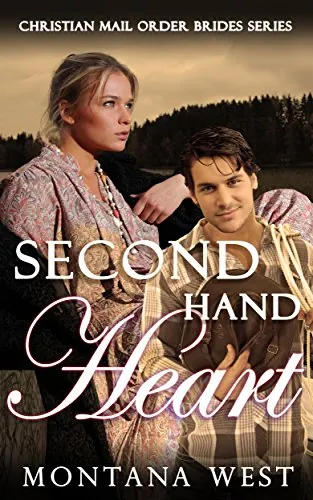
Global Grafx readers looking for a second-chance feeling can begin with Second Hand Heart by Montana West. Its premise centers on a guarded heart learning to trust love again, which is the kind of emotional reset many readers seek from this trope. Readers who prefer friendship, faith, and a gentler sense of connection can explore Ruth Price's Amish Friendship Bread.
Situation tropes create the pressure around the couple
A situation trope tells you what forces two people into contact or makes their choices more difficult. It is less about who they are to each other at the beginning and more about the circumstance that keeps the relationship moving. This is often where a romance gets its pace.
Forced proximity can mean one cabin, one job, one journey, or one problem that the characters have to face together. A marriage of convenience or mail-order bride setup puts commitment on the page before emotional certainty arrives. A secret relationship creates risk because the couple cannot simply say what they feel in public. Fake dating starts with a performance and asks what happens when that performance becomes real.
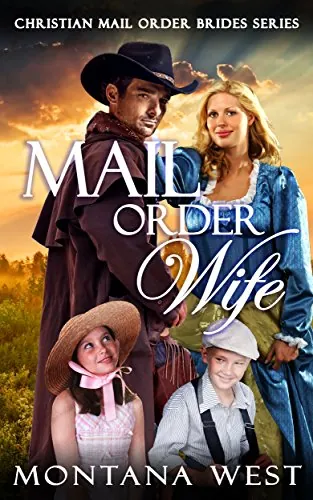
These tropes are particularly useful for readers who want a clear premise. Mail Order Wife begins with a woman traveling west to marry a widower who needs help but is not yet ready for love. The premise tells you immediately that this is a story about building trust inside an arrangement neither character can treat lightly. Rejected Mail Order Bride offers a different kind of pressure: a woman arrives for a promised new life, only to find that the plan has changed.
Subgenre changes the texture of the same trope
Tropes and subgenres work best together. A subgenre tells you what kind of world surrounds the relationship. A trope tells you how the relationship is likely to develop. Pairing the two gives you a much sharper idea of the reading experience than either label can provide alone.
For example, a second chance in Amish romance may lean toward community, family, faith, and a patient rebuilding of trust. A second chance in a crime-driven story may carry danger, power, or a secret that cannot stay hidden. A billionaire romance can use wealth and status to raise questions about control, privacy, and whether the relationship is built on something real. A paranormal romance can make the relationship part of a much larger threat or imagined world.
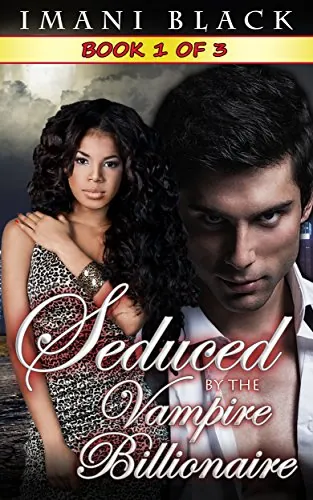
Readers who want bigger stakes around their romance can explore Lexi Johnson's BWWM romance shelf, which includes billionaire and high-stakes story worlds. Readers who want a more atmospheric mix of romance and suspense can browse Imani Black's paranormal romance shelf. The difference is not that one approach is better. It is about matching the outside world of the story to the amount of intensity you want around the couple.
Use trope combinations to get more precise
Most romances do not rely on one trope alone. A book may combine a relationship dynamic, a situation, and a subgenre. That is not clutter. It is often exactly what helps a reader decide whether a book sounds exciting or merely familiar.
Start with one feeling, then add one detail. If you want an emotional reunion, look for second chance plus a setting you enjoy. If you want a story that moves quickly, look for forced proximity plus higher stakes. If you want a long, satisfying build, add slow burn to a relationship dynamic that interests you. A reader guide from Audira describes these as promises, which is a useful way to think about them. A combination of promises can tell you far more about your reading mood than a broad genre alone.
You do not need to find every possible detail before you begin. Two or three useful signals are enough. Try a formula like this: relationship dynamic + story situation + world. For example: second chance + new beginning + western romance. Or: high stakes + secret relationship + BWWM romance. Or: mystery atmosphere + close community + Amish setting. The goal is not to turn reading into a search exercise. It is to give yourself a better chance of opening a book you will be happy to stay with.
Read the blurb before you decide
A trope can point you toward a book, but the blurb helps you choose it. Look for the immediate problem, the kind of pressure on the relationship, and the emotional tone. Does the description promise a soft and hopeful story, a tense and dangerous one, or something more playful? Does it make the world feel central to the plot, or is it mostly a backdrop? Is this a single volume or the beginning of a longer series?
These details prevent common disappointments. A reader might enjoy a trope in one mood and not another. You may love a slow burn when you want to linger in a story, but prefer a more immediate connection when you only have room for one quick read. You may enjoy a secret relationship when you want tension, but not when you are looking for something gentle. There is no wrong answer. The blurb simply helps you match the promise to the day you are having.
When you see a title that sounds right, open its book page and read the full description. On a Global Grafx author shelf, you can also compare the series label and see whether a complete collection is available. That makes it easier to decide between trying one book and settling into a world for longer.
Choose your commitment level
Series information is one of the most practical reader tools on a romance shelf. A Book 1 is usually the easiest way to test an author's voice, pacing, and approach to a trope. You get a clean introduction to the world and can decide whether you want to keep going. A complete collection is better when you already know you want a longer stay.
For a romance that combines relationship stakes with a larger suspense thread, Amish Mystery Books: How to Choose Your Next Read can help you decide how much tension you want around the story. For readers drawn to high-stakes relationship setups, What Are Mafia Romance Books? offers another way to think through tone and intensity before choosing a title.
Use a collection when the author's world is the comfort you want. Choose Book 1 when the trope is new to you or you want to find out whether the pacing and emotional tone fit. Both are good paths. The important part is knowing what kind of reading commitment sounds satisfying now.
Find your next romance at Global Grafx
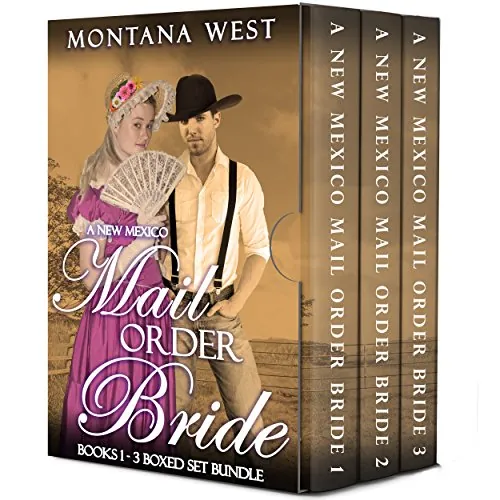
Global Grafx gives readers several ways to follow the elements they already enjoy. For western and mail-order-bride setups, start with Montana West. For faith-led Amish romance shaped by community and second chances, explore Ruth Price or Rachel Stoltzfus. For BWWM romance with billionaire, fantasy, and high-stakes threads, visit Lexi Johnson.
Use the trope to choose the emotional promise you want, then use the author shelf and description to choose the actual story. That simple approach makes a large romance catalogue feel less like a list and more like a set of paths built around the reading experience you want next.
A quick way to choose by trope
- Choose the feeling you want: comfort, tension, reunion, escape, or a fresh start.
- Pick a relationship dynamic or situation that supports that feeling.
- Add a setting or subgenre you want to spend time in.
- Read the blurb for tone, stakes, and series information.
- Start with Book 1 when you are trying a new author, or choose a collection when you are ready to stay awhile.
The best romance book trope is not the one everyone else is discussing. It is the one that points you toward the emotional experience you are ready to have. Let the label narrow the choices, let the description make the final call, and let your own reading history guide the next search.
Frequently asked questions
What is a romance trope?
A romance trope is a familiar story pattern, relationship dynamic, or setup that helps signal the kind of emotional journey a book may offer. It can point toward the tension, pace, and payoff a reader is in the mood for, but it does not tell the whole story.
Are tropes the same as genres?
No. A genre describes the larger kind of book, such as contemporary romance, historical romance, or paranormal romance. A trope describes a particular ingredient inside the story, such as second chance, forced proximity, or a secret relationship. One genre can hold many tropes.
Can a romance novel have more than one trope?
Yes. Many romances combine two or three tropes. A book can be a paranormal romance with forced proximity and a slow burn, for example. Looking for a combination is often more useful than relying on one label alone.
How do I avoid choosing a romance that is not right for my mood?
Use the trope as a first filter, then read the blurb for tone, setting, stakes, and series order. A trope can suggest the relationship shape, while the description tells you whether the story feels light, suspenseful, intense, gentle, or emotionally heavy.
Related posts
Reader guide
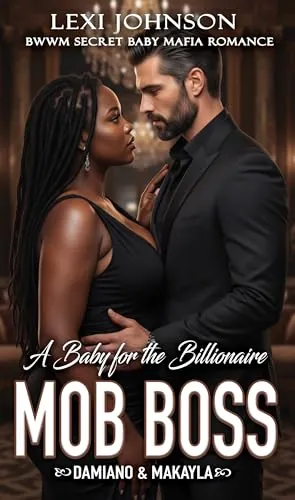
What Are Mafia Romance Books? A Reader Guide
What mafia romance books are, how they differ from other romance, and how to choose a high-stakes read that fits your mood.
Read the guide ↗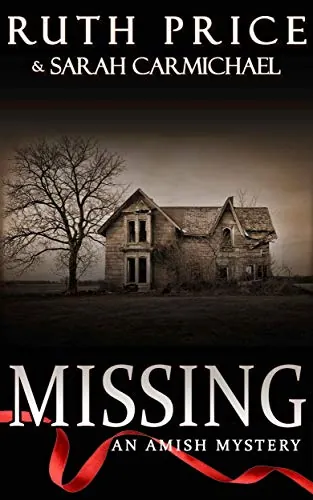
Reader guide
Amish Mystery Books: How to Choose Your Next Read
A practical reader guide to choosing Amish mystery books by level of suspense, setting, story setup, and series order.
Read the guide ↗