Reader guide
Amish Mystery Books: How to Choose Your Next Read
A practical reader guide to choosing Amish mystery books by level of suspense, setting, story setup, and series order.
Amish mystery books are a good fit when you want a mystery with a strong sense of place. The setting can bring a close community, long memories, family ties, and familiar routines into the case. That does not mean every title feels the same. One book may move gently through clues and relationships. Another may begin with a disappearance, a troubling past, or a danger that asks the characters to act before they have all the answers.
The easiest way to choose is to look beyond the word “Amish” and decide what kind of mystery you want to spend time with. Think about the atmosphere, the problem at the center of the story, and whether you want one contained read or a series that gives you a reason to return. A clear description and a Book 1 label can do more for a reading choice than a long list of genre tags.
This guide walks through those decisions, then points to a practical starting place in Ruth Price's Amish mystery books. The goal is simple: find a story whose sense of suspense matches the reading mood you have now.
Start with the kind of suspense you want
Amish mystery can cover a wide range of intensity. Some readers want a calm investigation where the pleasure comes from noticing details, getting to know a community, and following a problem toward a satisfying answer. Others want a sharper edge: a missing person, a family secret, an unsettling event, or a question that keeps the characters from feeling completely safe.
Neither approach is better. They simply create different reading experiences. If you want an evening that feels thoughtful and grounded, look for a blurb that spends time on the people, place, and central question. If you want more urgency, look for the words that signal it: missing, danger, hidden, shadow, threat, or a past that has not stayed buried. The language around the mystery usually tells you more than the cover alone.
It also helps to separate tension from complexity. A mystery can have a quiet setting and still keep you turning pages because the question matters to the people involved. A more dangerous premise can still make room for faith, family, and belonging. What matters is whether the story's pressure sounds like the kind of escape you want today.
Let the central problem guide your choice
A good book description gives you a clue about the shape of the mystery. A missing-person story often begins with a direct question and a reason to keep looking. A haunted or unsettled-history premise may feel more atmospheric, inviting you to discover why the past still affects the present. A secret within a family or community can make the mystery feel personal because the people closest to the problem may also have the most to lose.
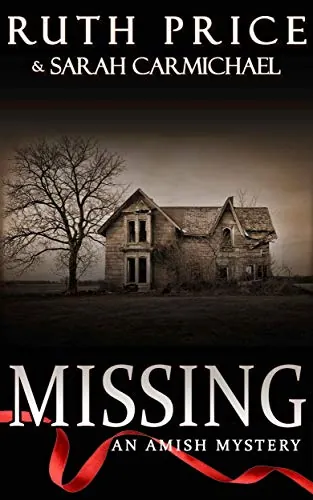
For readers who want a clear entry point, Amish Mysteries: Missing begins Ruth Price's Amish Mystery series with a missing-person investigation in an Amish community. That kind of premise is useful when you want the story's question to be immediately visible. You know what needs to be found, but the appeal lies in learning who can be trusted and what the community has noticed along the way.
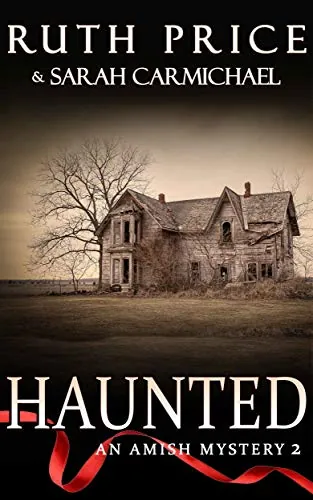
If you are drawn more to atmosphere, Amish Mysteries Haunted follows with unsettled history casting a shadow over the present. It is a different kind of signal: the suspense may come as much from what the past means now as from finding one quick answer. Choosing between those setups can be more useful than choosing from a broad shelf at random.
Use the setting as more than scenery
In an Amish mystery, the setting is part of how the story moves. Community ties can mean that a small change is noticed quickly, but they can also make it difficult for a character to ask hard questions. Family history, daily routines, shared expectations, and the importance of trust can all influence what people say, what they protect, and what they are willing to believe.
That is why it helps to read a description for the role the setting plays. Does the story sound centered on a community coming together around a problem? Does it lean toward one character confronting a danger that reaches into ordinary life? Does a familiar place make the mystery feel comforting, or does it make the hidden problem more unsettling? These are useful questions even when you do not know every detail before you start.
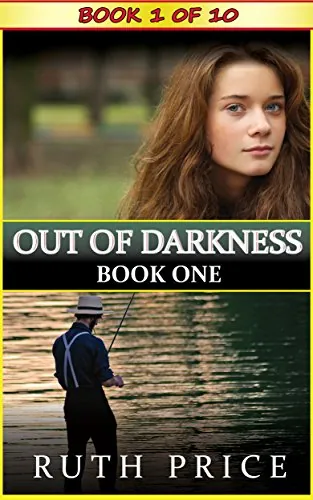
Readers who enjoy a story where danger and faith sit close together may also want to browse Out of Darkness, the first book in another Ruth Price series. Its description centers on safety, trust, and a danger closing in. It is a helpful next shelf to explore when you want the suspense around a story to matter as much as the emotional stakes.
Choose a Book 1 when you want a clean beginning
Series labels are especially useful in mystery fiction. A Book 1 gives you the time to learn the setting, understand the people involved, and see the kind of questions the author likes to ask. It also keeps you from wondering whether an earlier story introduced a relationship, event, or piece of history that would make the current book clearer.
Start with Amish Mysteries: Missing when you want that clean introduction. Once you know the series feels right, Amish Mysteries Haunted gives you a natural next step. This approach is simple, but it removes a surprising amount of friction. You can spend your reading time inside the story instead of trying to work out where to begin.
A later book can still be the right choice when one specific premise captures your attention. If a story about an unsettling history is exactly the mood you want, follow that pull. Just read the series note and description first so you know whether the book will feel complete on its own or whether it carries forward people and events from the opening title.
Decide whether you want comfort or urgency
Many readers are drawn to Amish mystery because they want both a puzzle and a strong sense of human connection. The balance can change from book to book. A more comforting mystery may spend time with everyday life, relationships, and the gradual discovery of what is out of place. The suspense is still there, but the pace may be more patient.
A more urgent mystery puts the central danger closer to the foreground. The characters may have less time to decide whom to trust, and the answer may matter immediately to someone's safety or future. This can be satisfying when you want a book with more momentum, but it is worth checking the description before you buy. A quiet cover does not always mean a quiet story.
Use your current reading mood as the deciding factor. If you want to settle into a community and follow a mystery piece by piece, choose the blurb that emphasizes people, place, and an unfolding question. If you want to feel a little more pressure from the first chapters, choose the title that leads with danger, a disappearance, or a threatening secret.
Read the blurb for the promise of the book
The blurb should answer three practical questions: what problem starts the story, why it matters to the characters, and what could make the answer difficult to find. You do not need every plot point. In fact, you do not want them. You only need enough of the promise to decide whether the book feels like the right next read.
When you compare Amish mystery books, look for the words that tell you where the tension comes from. A missing person points toward a search. An unsettled past points toward secrets and history. A threat to a family or community points toward a more personal kind of risk. A book built around safety and trust may ask different questions than one built around uncovering a hidden motive. That is the level of detail that makes a confident choice possible.
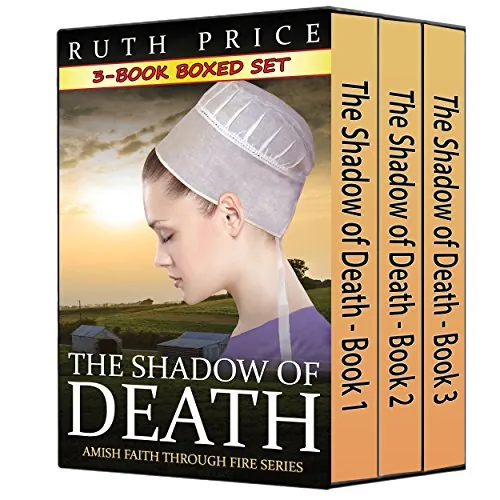
It can also help to notice the series name. A title called Book 1 is an invitation to enter a larger world. A complete collection offers a longer stay after you know you enjoy an author's style. Ruth Price's author shelf makes both options easy to compare, from the two Amish Mystery books to a broader range of Amish fiction built around faith, family, and hard-won hope.
Find your next Amish mystery at Global Grafx
Ruth Price's author shelf is the best place to begin when you want Amish mystery with a clear reading path. Start with Amish Mysteries: Missing for the opening missing-person mystery. Continue with Amish Mysteries Haunted when you want a second story shaped by a more unsettling past.
When you are in the mood for Amish fiction but want the romance, faith, family, or community to lead more strongly than the mystery, the Amish romance collection offers several author shelves and complete reading sets. That wider page is useful when you know you want the setting but are still deciding how much suspense you want around the story.
The best choice is usually the one with a premise you can picture yourself following. Start with the central question, let the description tell you the level of danger, and use a Book 1 label when you want an easy way into a continuing series.
A quick way to choose
- Decide whether you want a gentle puzzle or a more urgent mystery.
- Choose a premise that appeals to you, such as a disappearance, a secret, or an unsettled past.
- Read the blurb for the source of tension and the emotional tone.
- Start with Book 1 when you want the clearest introduction to a series.
- Keep the author shelf nearby when you want another Amish story with a similar feeling.
Amish mystery books are easier to choose when you treat the setting as the beginning of the decision, not the whole decision. Find the kind of question you want to follow, choose the level of suspense that feels right, and let the book description show you where the story begins.
Frequently asked questions
What are Amish mystery books?
Amish mystery books use an Amish setting, community life, or characters as part of a mystery story. The mystery can be gentle and clue-led or carry more danger and suspense, so the book description is the best way to understand the particular reading experience.
Are Amish mystery books always cozy mysteries?
No. Some Amish mysteries emphasize a close community, a contained problem, and a gradual investigation. Others add greater danger, a missing person, a troubling history, or a threat that changes the atmosphere. Read the description for the level of suspense before choosing.
Where should I start with an Amish mystery series?
Start with a Book 1 whenever possible. A first book introduces the setting, the people around the mystery, and the kind of pressure the series tends to use. Amish Mysteries: Missing is the first book in Ruth Price's Amish Mystery series.
Where can I find Amish mystery books from Global Grafx?
Ruth Price's author shelf includes Amish Mysteries: Missing and Amish Mysteries Haunted, along with a wider collection of faith-led Amish fiction. Open the book page to read the description and see the available edition.
Related posts

Reader guide
BWWM Romance Books: How to Find Your Next Read
A practical guide to finding BWWM romance books by mood, trope, setting, series length, and heat level.
Read the guide ↗
Reader guide
Interracial Romance Books: How to Find Your Next Read
A practical way to choose interracial romance books by pairing, mood, setting, tropes, and series length.
Read the guide ↗