Reader guide
Amish Mystery Series: Where to Start and What to Read Next
A reader guide to choosing an Amish mystery series, starting with Book 1, and deciding when a connected story is the right next read.
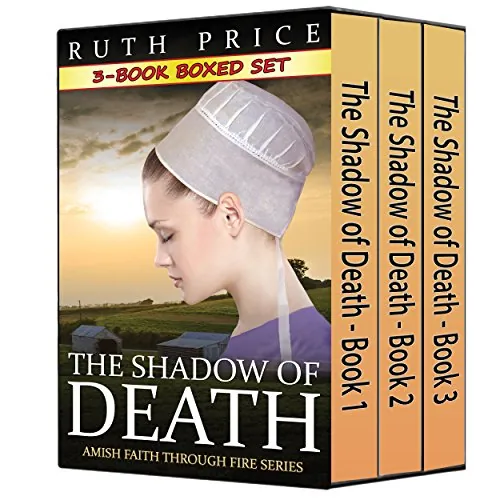
An Amish mystery series is a good choice when you want more than one puzzle in the same reading world. The setting brings together community ties, family history, faith, and daily routines. A series lets those details gather meaning over time, so the next mystery can feel richer because you already understand what a place, relationship, or old secret means to the people involved.
That does not mean every reader needs a long commitment. The useful question is simpler: do you want to get to know a community across more than one story, or do you want one self-contained mystery tonight? Once you know that, a Book 1 label and a clear description make the right starting point much easier to find.
This guide explains how to choose an Amish mystery series without turning a reading decision into homework. It also gives a clear route into Ruth Price's two-book Amish Mystery series, where a missing-person case comes first and a more unsettled history follows.
What makes a mystery series worth following?
A connected series gives the setting a chance to become more than scenery. In Amish mystery fiction, a familiar community can shape who notices a problem, who keeps a confidence, and why a secret is difficult to bring into the open. Returning to that world can make the next mystery feel more personal, because the people involved already have shared history and something to protect.
The connection does not have to mean one cliffhanger stretches across every book. Some series return to the same place and let each story introduce a new question. Others build more directly on earlier relationships or discoveries. A short book description and the series number will usually tell you which kind of experience you are choosing.
For readers who like a mystery with atmosphere, this continuity is part of the pleasure. You can settle into a community, learn its rhythms, and then notice when something in those rhythms is not quite right. For readers who want a faster, more urgent experience, a series can still work well when each book begins with a clear problem, such as a disappearance, a hidden past, or a danger pressing on a family.
Start with Book 1 when you want the clearest path
Book 1 is the best default for almost any connected story. It introduces the people whose choices will matter later, the setting that gives the mystery its pressure, and the kind of suspense the author tends to use. Beginning there means you can follow the relationships as they change instead of trying to reconstruct an earlier event from a later book's description.
That is especially helpful in a mystery. Later books may refer naturally to a previous loss, a repaired friendship, or a question the community thought it had already answered. Those references do not always ruin a later book, but they can quietly take away the emotional payoff of the first discovery. Starting at the beginning keeps the surprises where they belong, on the page.
A Book 1 label also gives you an easy way to test the series. Read the opening premise, see whether its balance of community, suspense, and emotional stakes suits you, then decide whether you want the next title. There is no need to commit to every book before you know whether the first one feels like your kind of evening.
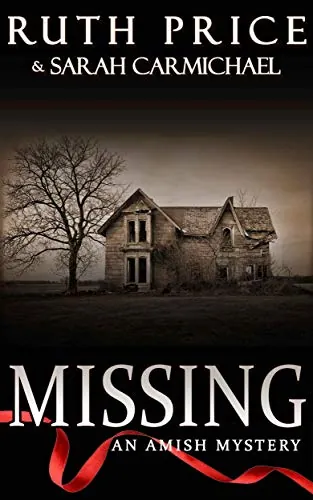
A clear place to begin: Amish Mysteries: Missing
Amish Mysteries: Missing is the first book in Ruth Price's Amish Mystery series. Its missing-person investigation gives readers an immediate question to follow while the Amish community around it gives that question personal weight. It is a strong starting point when you want the suspense to be visible from the outset, but still want the relationships and setting to matter.
Starting here makes the second book easier to enjoy on its own terms. You have already met the series rhythm: a close community, an unsettling question, and people whose decisions carry consequences beyond one private moment. You do not need a chart or a long list of background notes. You only need the opening title and enough room to let the story introduce itself.
Readers who are still deciding whether Amish mystery is their right genre can also use the site's guide to choosing Amish mystery books. It helps compare a missing-person premise with a more atmospheric mystery, a gentle investigation, or a story with greater urgency before you settle on a series.
Continue when you want a more atmospheric mystery
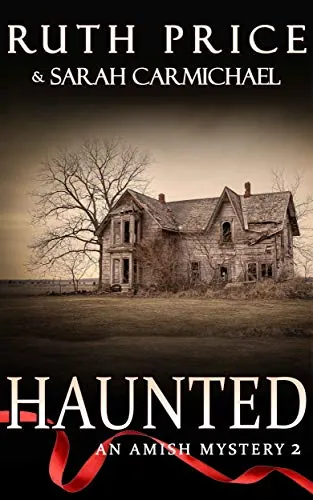
After Book 1, Amish Mysteries Haunted offers a different signal: unsettled history casting a shadow over the present. That kind of premise is a good fit when you want the mystery to feel less like a simple search and more like a question about what a community remembers, avoids, or has not yet made peace with.
This is where a series can be especially satisfying. A familiar setting makes an old secret feel closer to home. You are not only asking what happened, but why its effects still reach the people living there now. The atmosphere can deepen without the story having to explain every part of the community from the beginning again.
Choose this second step when the premise is what draws you in. If a haunted or unresolved past is exactly the kind of mystery you want, that is a useful clue about your reading mood. Reading the first book first simply gives the series a cleaner runway, so the later story can spend more time on its own question and less time catching you up.
Choose a series by the kind of suspense you want
Genre labels are a useful first filter, but they are not the whole decision. An Amish mystery can be calm and clue-led, tense and urgent, or quietly unsettling. The better question is what you want the pressure around the story to feel like. A missing-person premise usually promises a direct search. A buried history may promise atmosphere and gradual discovery. A family secret can make the mystery feel intimate because the people closest to the problem may also have the most to lose.
Read the description for those signals before choosing. Look for the central problem, the emotional stakes, and whether the story sounds like it will return to the same people or community. That gives you more useful information than a broad genre shelf alone, and it helps you choose a series that matches the pace you want now.
If you want to stay with Amish fiction while letting romance or family renewal lead more strongly than the mystery, the Amish fiction collection gives several honest starting points. Readers looking specifically for romance can compare authors, first books, and complete collections on the Amish romance books collection.
Know what kind of connection you are choosing
Not every series connects its books in the same way. Knowing the difference makes it easier to choose a starting point and avoid expecting one kind of reading experience from another. The first kind is a continuing-character series. The same people return, and their relationships change as new problems arrive. In that case, Book 1 matters because it gives you the original shape of those relationships before they are tested again.
The second kind is a continuing-community series. A town, neighbourhood, or close group of families remains familiar, while each book places a new mystery at its centre. You may be able to enjoy a later book more easily here, since the mystery can stand on its own. Starting with the first book still helps, though, because you meet the setting before its routines become meaningful clues.
The third kind is a connected emotional arc. The central case may change, but a past loss, a promise, a family question, or a decision about belonging carries forward. This is the type where reading in order gives the greatest reward. A later title can tell you that trust is strained, for example, but the opening book lets you see why that trust mattered before it came under pressure.
Ruth Price's Amish Mystery books are best approached as a connected reading path. Amish Mysteries: Missing establishes the community and the first investigation. Amish Mysteries Haunted then lets an unresolved history bring a different kind of pressure into a setting you already know. The shift in premise keeps the second book from simply repeating the first while preserving the appeal of returning to a familiar world.
Use the book description to judge the series pace
A series number tells you where a book sits. The description tells you how it will feel. Before you begin, look for three things: the question at the heart of the story, the people most affected by it, and the source of the pressure. A disappearance creates a different reading pace from a decades-old secret. A mystery centred on family trust will feel different from one that places danger close to the characters from the first chapter.
That small check protects you from choosing a book on setting alone. An Amish community can support a gentle, clue-led story, a more urgent investigation, or a drama where the mystery is tied closely to faith and relationships. The description helps you decide whether the story is offering the kind of escape you want, whether that means patient atmosphere, a clear search for answers, or a threat that keeps moving closer.
It also helps to notice the scale of the promise. If the description focuses on one immediate problem, the book may give you a satisfying stop even within a larger series. If it leans heavily on a marriage, friendship, or old conflict, you may get more from beginning earlier. Neither is a warning sign. They simply tell you whether to start with the premise that caught your eye or give yourself the fuller context first.
For readers who prefer the most straightforward route, choose the title clearly marked Book 1 and read its description before buying. If the first premise sounds good, the series order has already done the hard work for you. You can begin without wondering which details you should know, then continue only if the world and emotional tone feel like a match.
How to avoid accidental spoilers in a series
Finding a reading order should make a series easier to enjoy, not turn it into a research project. The simplest approach is to use the series number, read only the short description for the book you are about to open, and avoid detailed summaries of the later titles until you reach them. Later blurbs sometimes mention changed relationships or outcomes that are meant to land after earlier events.
There is no need to avoid all information. A title, Book 1 label, and a one-sentence premise are enough to make a confident choice. You are looking for the promise of the book, not the complete history of every character. Once the first story has given you the setting and the people, you can read the next description with more context and less risk of finding out too much too soon.
This matters most when a series is built around trust, family ties, or a mystery that leaves a lasting effect. The pleasure often comes from seeing what people know, what they decide to say, and how one discovery changes the next choice. Starting at the beginning lets those turns arrive in their proper order. It keeps the reading experience focused on discovery rather than on trying to fill in a gap from a summary.
Choose an individual book or a longer collection
An individual Book 1 is the right choice when you want to sample a new author, try a new mystery mood, or keep your reading commitment open. It gives you a complete place to begin and lets you decide later whether you want more time with the same world. This is often the best option when the series is new to you or when you are choosing between several different story types.
A complete collection can be a better fit when you already know you enjoy connected stories and want the next book ready when the current one ends. Ruth Price's Out of Darkness Megabook is one example of a longer connected reading option in the catalogue. It is useful for readers who have found that a continuing story is exactly what they want, rather than a one-book visit.
The best choice is the one that matches your reading time and your confidence in the premise. Start with an individual first book when you are curious. Choose a collection when the author, tone, and connected format already feel like a sure fit. Both paths are valid, and both begin with the same useful habit: know where the story starts.
A calm checklist before you choose
When several Amish mystery series sound appealing, use a short checklist instead of trying to compare every detail at once. First, ask whether you want the comfort of a close community or the pressure of a more urgent threat. Both can be satisfying, but they create different kinds of reading nights. A story about a missing person may draw you in quickly. A story about an old secret may be better when you want to linger in the setting and its atmosphere.
Next, check the series label. A Book 1 is your invitation to enter without any preparation. A Book 2 or Book 3 is not a bad choice, but it is worth asking whether the description seems to depend on a relationship or discovery from earlier in the sequence. If it does, start earlier. If the premise itself is what matters most to you, a later book may still be worth opening, with the understanding that you are arriving after part of the history has already happened.
Then read the author shelf rather than relying on a single genre tag. On Ruth Price's book shelf, you can see the Amish Mystery books alongside series led by romance, family, faith, and danger. That makes it easier to make an honest comparison. You might begin with mystery now, then decide your next read should be a fresh romance start or a more suspenseful connected story. The shelf keeps those choices close together instead of making you begin another broad search.
Finally, trust the premise that you can picture yourself following. The right series is not necessarily the longest one or the one with the most familiar label. It is the story whose question makes you want to turn the first page: what happened to the missing person, why is the past still reaching into the present, or what will a family do when trust becomes difficult? Once that question feels right, the first book gives you a clear route in.
This approach also keeps the choice enjoyable. You do not need to decide whether every Amish mystery series is for you. You only need to choose the next story with enough confidence to begin. A clear Book 1, a premise that matches your mood, and a trusted author shelf are more useful than an endless list of titles. They turn a broad genre search into one small, satisfying decision: which mystery would you most like to enter first?
When a later book can still be the right choice
Book 1 is the safest place to start, but a later title is not automatically off limits. Sometimes its premise is the exact thing you want to read: an unsettling history, a particular setting, or a question that catches your attention at once. If that is the case, read the book description first and accept that some relationships may arrive with history already attached.
This can work well for readers who value mood more than sequence. You may find an atmospheric later book satisfying as a standalone reading experience, then return to the first title if you want to understand the earlier connections. The tradeoff is simple: starting later can give you the immediate premise you want, while starting first gives you the fullest context.
What to read after an Amish mystery series
When a mystery series leaves you wanting another story with faith, danger, and emotional stakes close together, Ruth Price's author shelf is the best next place to browse. It keeps the mystery books alongside other Amish stories, so you can compare the premise and series label before you choose your next title.
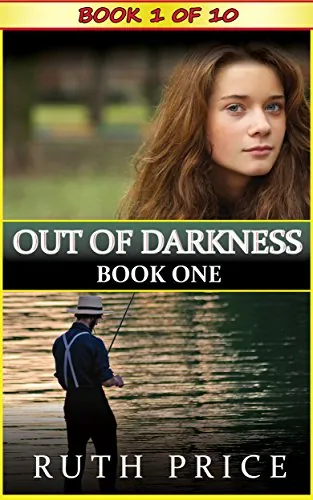
For a different blend of suspense, start with Out of Darkness, the first book in another Ruth Price series. Its premise centres on safety, trust, and danger closing in, which may suit readers who want a higher-pressure story after a mystery. The connected Out of Darkness Megabook is there for readers who already know they want a longer reading stretch.
A quick way to choose your next series
- Decide whether you want a connected community story or one self-contained mystery.
- Start with Book 1 when you want the clearest introduction.
- Read the premise for the kind of suspense you want, such as a disappearance, a secret, or an unsettled past.
- Continue to the next book when you want to spend more time with the same setting and people.
- Use the author shelf when you want another series with a similar emotional tone.
An Amish mystery series is easiest to choose when you focus on the story promise, not just the genre label. Begin with a Book 1, let the central question tell you whether the mood fits, and keep the next title nearby if the community and its mysteries feel like a place you want to return to.
Frequently asked questions
What is an Amish mystery series?
An Amish mystery series is a set of connected mystery stories with an Amish setting, community, or characters at its centre. The connection may be returning people, a continuing place, or a story thread that gains meaning from book to book.
Should I start an Amish mystery series with Book 1?
Usually, yes. Book 1 introduces the setting, the people around the mystery, and the kind of tension the series uses. It is the simplest way to avoid missing relationship history or earlier discoveries.
What is the first book in Ruth Price's Amish Mystery series?
Amish Mysteries: Missing is Book 1. It begins with a missing-person investigation that draws an Amish community into a search for answers.
Can I read Amish Mysteries Haunted on its own?
A later book may still be enjoyable on its own, especially when its premise appeals to you. Start with Amish Mysteries: Missing first if you want the clearest context for the people, setting, and series rhythm.
Related posts
Amish mystery
Amish Mystery Books: How to Choose Your Next Read
A practical reader guide to choosing Amish mystery books by level of suspense, setting, story setup, and series order.
Read the guide ↗