Reader guide
What Does BWWM Mean in Books?
BWWM means a Black woman and white man romance pairing. Learn how the label works, then choose a book by mood, trope, and series.

BWWM is a reader shorthand for a romance pairing with a Black woman and a white man. It is useful when you want to find a particular kind of central relationship, but it is only the first clue. It does not tell you whether the book is sweet or spicy, contemporary or paranormal, a stand-alone story or the opening move in a long series.
That is good news for readers, because the label covers a wide range of stories. You can use it as a starting point, then narrow the shelf by the mood, setting, trope, and series commitment you actually want. A pairing can point you toward a love story. The rest of the description tells you whether it is the right love story for tonight.
BWWM describes the central pairing
In romance reading, labels are often a fast way to identify the kind of relationship a story centers. BWWM means the heroine is a Black woman and the hero is a white man. It is a pairing label, not a promise about every other part of the book.
That distinction matters because two BWWM books can feel completely different. One might follow a high-powered couple through a polished billionaire world. Another could move through a supernatural conflict, a fantasy setting, a small town, or a dangerous criminal underworld. Each has a Black woman and white man at the center, but each offers a different escape.
Romance itself keeps the relationship at the heart of the story and aims for an emotionally satisfying, optimistic ending, as explained by the Romance Writers of America. Once you know that a book is BWWM romance, the better question becomes: what kind of romance experience do you want?
BWWM is not one genre or one mood
It is easy to treat a pairing label as though it tells you everything. It does not. Think of BWWM as the first filter. The genre, setting, and tropes are the details that make the choice personal.
- Contemporary romance: A familiar, modern world where work, family, friendship, and day-to-day pressure shape the conflict.
- Paranormal romance: Supernatural rules, secrets, or danger that raise the stakes around the relationship.
- Fantasy romance: An imagined setting with its own history, power struggles, and risks.
- Mafia or high-stakes romance: Money, loyalty, danger, and power close to the relationship, creating a sharper mood.
- Billionaire romance: Wealth and status that can test trust, independence, and public pressure.
None of these directions is better than another. The useful move is matching the book to your mood. A reader who wants a quiet emotional build may not want the same book as a reader looking for a fast pace and an intense setting. The pairing can stay the same while the reading experience changes completely.
Use tropes to find the chemistry you enjoy
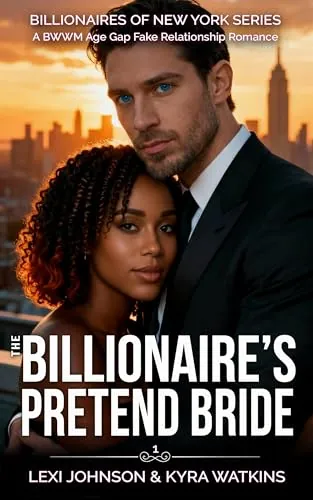
Once the pairing has caught your eye, tropes can help you get closer to the kind of chemistry you want. A trope is a familiar story pattern, such as a fake relationship, second chance, secret baby, forced proximity, protective hero, or enemies who have to work together. It is not a spoiler. It is a signal about the tension a book is likely to explore.
Try adding one trope to your search rather than a long chain of labels. “BWWM billionaire romance” points toward a different mood than “BWWM paranormal romance.” If you already know that you like a relationship that starts under pressure, a trope such as fake relationship or secret baby can be more helpful than scrolling through a broad category alone.
Be careful not to make a trope do too much work. A protective hero can appear in a soft contemporary story or a dark high-stakes one. A billionaire can be charming, guarded, playful, or controlling. Read the blurb to see how the book treats the trope. The cover or the keyword can get you to the shelf, but the description tells you whether the emotional tone suits you.
Read the blurb before you commit
A useful blurb gives you enough to decide without giving away the whole story. Look for the main characters, the force that brings them together, and the pressure that could keep them apart. Those details reveal more than a category label ever can.
When you are scanning a BWWM romance description, ask yourself a few quick questions:
- Does the setting sound like a place I want to spend time?
- Is the conflict mostly emotional, mostly external, or both?
- Does the story promise a light, intense, suspenseful, or otherworldly mood?
- Is this the first book in a series, a later installment, or a complete collection?
- Does the description mention any content note or intensity level that matters to me?
That last check is especially helpful when you are trying a new author. Romance can cover a broad range of heat and emotional intensity. The right book is not the one that looks most dramatic on the shelf. It is the one whose setup, pace, and relationship feel like a good match for the time you have and the mood you are in.
Decide whether you want one book or a series
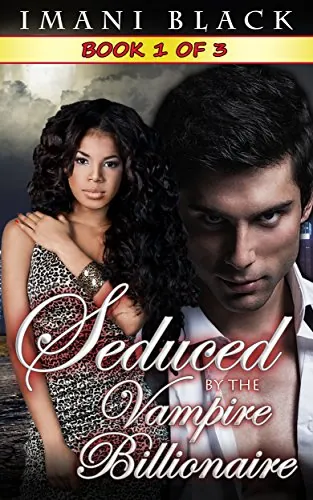
A series label can save you from a frustrating start. Some romance series follow one couple over several books. Others tell a complete story in each book while returning to the same world, friend group, or setting. A collection may gather several installments for readers who already know they want to stay with the story.
For a new author or a new subgenre, the first book is usually the cleanest place to start. It lets you try the voice, the pacing, and the level of intensity without asking you to commit to a full run. If the story lands, you have an easy next step.
When you are already in the mood for a longer escape, a connected series or bundle can be the better choice. You spend less time choosing the next book and more time staying with a familiar world. The key is knowing what you are buying into before you begin. Check the series number, read the blurb, and look for whether the book promises a complete arc or leads straight into the next title.
Build your next-read list around the feeling you want
After you finish a book, make a note of what worked. Maybe you liked the high-pressure setting, the level of heat, the balance between romance and suspense, or the way the heroine took charge of the conflict. One or two details are enough. They give you a better next search than trying to remember a whole plot.
The same goes for books that missed the mark. Perhaps you enjoyed the couple but wanted a faster pace. Maybe you liked the billionaire setup but did not want a longer series. That is still useful. Keep the part you liked, then change one ingredient next time.
This small habit turns a broad term like BWWM into a much more accurate reading trail. Instead of searching for every possible label, you can narrow from BWWM to the setting, trope, and series shape that fit you. That is how a wide shelf starts to feel like your shelf.
Three details that make a useful recommendation
A recommendation is most helpful when it gives you more than a title. Start with the pairing, then look for the story detail that changes the experience. That might be a setting, a trope, or the amount of time you want to spend with the characters.
Setting is the fastest mood signal. A city billionaire story can feel polished and ambitious. A paranormal world can feel secretive and larger than life. A high-stakes series can create urgency before the first chapter is over. When you choose the setting first, you avoid a mismatch between the tone you want and the book you open.
Conflict is the second signal. A reader looking for a gentle emotional build may want family pressure, friendship, or a second chance. Someone looking for tension may prefer danger, public pressure, hidden history, or a relationship that begins with an impossible choice. The blurb should make this clear. If it does not, look for a first-book description or retailer listing that gives you a better sense of the stakes.
Commitment is the third signal. A stand-alone or first-in-series title is a good choice when you are testing a new author. A collection is better when you want several connected books waiting for you. Neither route is more serious. They simply fit different reading habits. Knowing which one you want makes a long shelf much easier to navigate.
Explore BWWM romance at Global Grafx
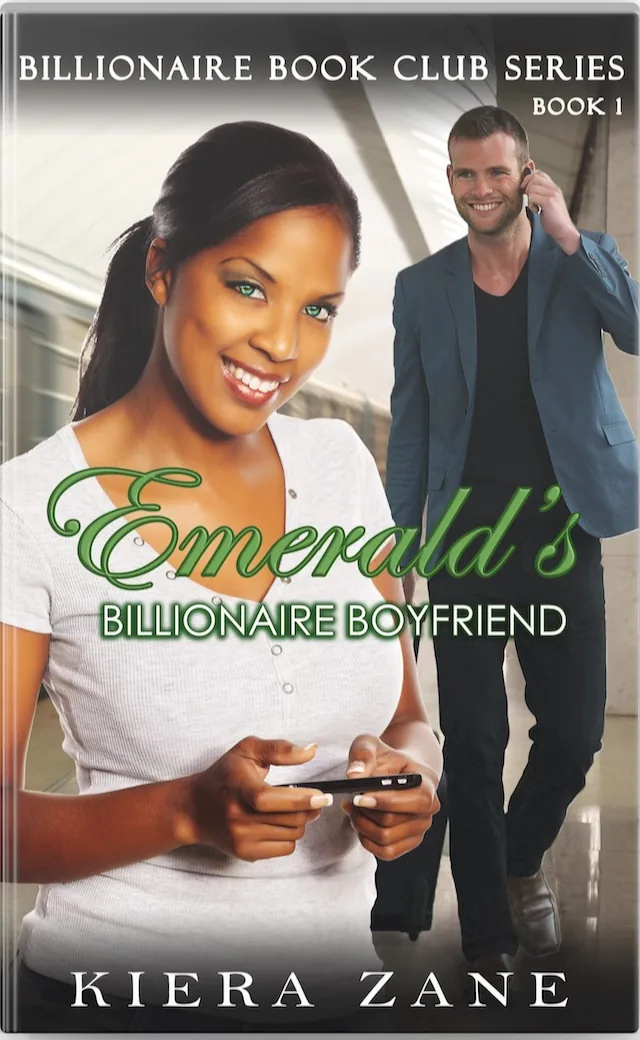
Global Grafx publishes BWWM romance across several story worlds through Sable Rose Press. For billionaire, fantasy, and high-stakes choices, start with Lexi Johnson's author shelf. Readers looking for supernatural stakes and a continuing central couple can explore Imani Black's Vampire Billionaire series. For another billionaire-centered direction, browse Kiera Zane's Billionaire Book Club books.
If a high-pressure, mafia-tinged setting is the mood you want, the Billionaire Mob Boss series guide puts Lexi Johnson's books in reading order. For a broader way to sort books by tone, tropes, setting, heat level, and series length, read BWWM Romance Books: How to Find Your Next Read.
Use the author shelves to read each book description before you choose. A clear blurb, a series number, and an honest sense of your reading mood are usually all you need to find a romance you will be glad you started.
A simple way to choose a BWWM romance
- Use BWWM to identify the central pairing you want to read.
- Add a setting or trope, such as billionaire, paranormal, fantasy, or high-stakes romance.
- Read the blurb for the real conflict and emotional tone.
- Check the series label before you buy.
- Save the detail you liked most so your next choice starts closer to your taste.
BWWM can be the beginning of the search, not the end of it. Once you add the story ingredients that matter to you, the right book becomes much easier to spot.
Frequently asked questions
What does BWWM mean in books?
BWWM is a reader shorthand for a romance pairing with a Black woman and a white man. It tells you about the central pairing, but it does not tell you the book's setting, heat level, or emotional tone.
Is BWWM a genre?
BWWM is better understood as a pairing label than a genre. A BWWM romance can be contemporary, paranormal, fantasy, suspenseful, lighthearted, or high-stakes. The genre and tropes tell you more about the reading experience.
How do I choose a BWWM romance series?
Start by checking whether the books follow one couple or feature new couples in the same world. Then read the first-book description, look for a series number, and decide whether you want one book, a connected run, or a collection.
Where can I find BWWM romance from Global Grafx?
Global Grafx's Sable Rose Press authors include BWWM romance with billionaire, paranormal, fantasy, and high-stakes story worlds. The author shelves make it easy to read each description before choosing a title.
Related posts

BWWM romance
BWWM Romance Books: How to Find Your Next Read
A practical guide to finding BWWM romance books by mood, trope, setting, series length, and heat level.
Read the guide ↗